








Basics

Midwifery Basics 5. Understanding the impact of family and partner attitudes, experience and expectations upon breastfeeding

Midwifery Basics 4. Motherhood, Mothering and Infant Feeding

Midwifery Basics: Anatomy and physiology 3. Understanding the Impact of Birth and the Early Postnatal Environment on Breastfeeding Initiation and Continuation

Midwifery Basics: Anatomy and Physiology 2

Midwifery Basics 1. Why Do So Many Women Struggle to Breastfeed?

Supporting student midwives on the neonatal unit
No results found.
Advancing Practice

Creating Coherence: Midwifery education philosophies, theories and practice

Developing an Initiative to Involve Service Users in the Recruitment of Student Midwives

Transforming Midwifery Education 3.

From Standards to Practice

Practising Outside the Box But Within the System

Transforming Midwifery Education: The Final Stage of the Future Midwife project
No results found.
Features

Collaborative Working Between Midwives and Social Work

Global Perspectives: Maternity Care and Practices in Ethiopia

Why Should We Care About Entonox? The Importance of Climate Change for Midwives

A Starched Cotton Fluorescent-Yellow Saree, Khopa, Belly Button and Safety Pins: Decoding the ‘Dignified Indian Nurse-Midwife’

Rising Freebirth: A Symptom of a Fractured Relationship Between Women and the Maternity Services in the UK

Midwives, Women and COVID-19: Lessons from 1953
No results found.
Evidence

Maternal Postures to Promote the Rotation of Occiput Posterior Foetal Position During Labour

Understanding Research 5. Qualitative Methodologies Continued

An Exploration of the Knowledge of Healthcare Workers on Kangaroo Mother Care for Low-Birthweight Babies in a Neonatal Intensive Care Unit in Uganda

Understanding Research 4. Qualitative research methodologies

A Summary of a Phenomenographic Doctoral Study
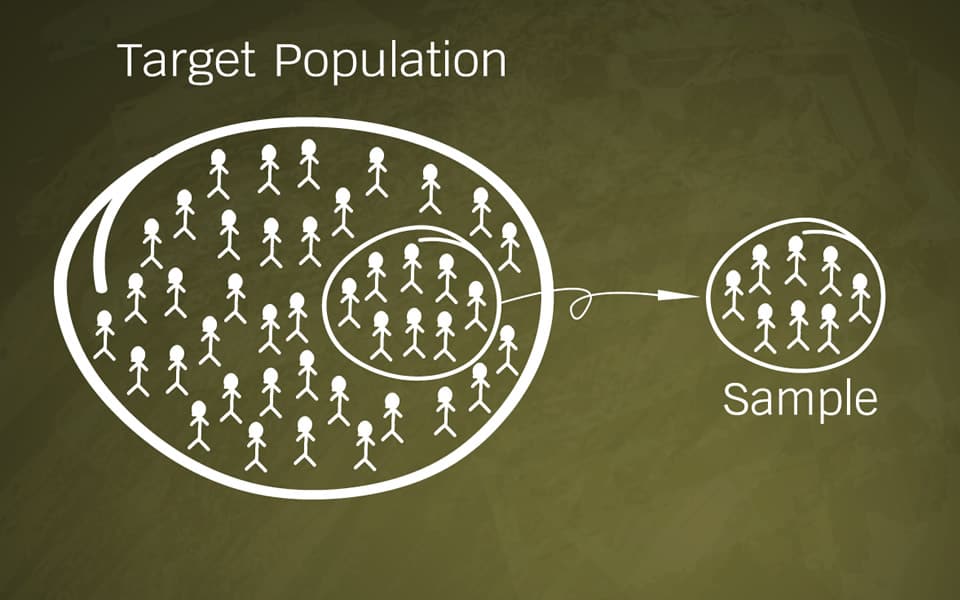
Understanding Research 3.
No results found.
