









Professional Midwifery Advocate (PMA) Restorative Clinical Supervision (RCS) in action, looking back – moving forward – a student midwife’s perspective, Part 3

Jane Tyler – Midwifery Lecturer, University of Hull Twitter @janetyler5
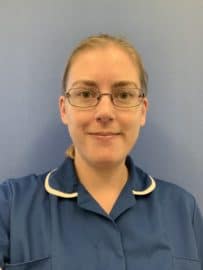
Jodie Burton – Midwife, Hull University Teaching Hospitals NHS Trust

Lisa Lachanudis – Midwifery Lecturer, University of Hull. Twitter @Lachanudislisa
Introduction
In the previous installments we have considered both the introduction of the PMA and RCS for student midwives and the transition to an online platform when the restrictions imposed by the pandemic impacted on face-to-face group sessions.
As we have just reached the five-year anniversary of the introduction of the Advocating for Education and Quality Improvement (AEQUIP) model and the role of the PMA, Part 3 will focus on the evaluations from these sessions and the experience of one of the third-year student midwives who participated.
Seeking student feedback
Once the sessions had been running for a number of months, we recognised the need to evaluate whether this was useful to the students. They were invited to take part in an evaluation of the resource. This was facilitated via the University Virtual Learning Environment using an external tool, JISC online survey (see here). Participation was entirely voluntary and the answers were completely anonymous. The students were able to identify their responses using a variety of scales and questions included;
- Using the scale, what was your understanding of restorative clinical supervision before participating in the sessions
- Using the scale, how well did staff explain the concept of restorative clinical supervision
- Using the scale, how beneficial do you think these sessions have been?
- If you feel these sessions have been beneficial, please state why?
- Do you feel these sessions have helped with interaction within your peer group?
- What would be your preferred frequency?
- Would facilitation of these sessions be valuable to you whilst in clinical placement?
- How could these sessions be improved?
Did the RCS sessions help?
Findings from this suggested that the students who undertook the survey had found the sessions helpful and wanted them to continue both online and face-to-face, when we were able to meet with them in practice.
Also, 90.5% of the group felt the sessions helped with interaction within their peer group, with 95.2% feeling the frequency (weekly) was suitable.
A similar 90.5 % also reported they would find these sessions valuable whilst attending clinical placement.
Comments included, “Due [to] the circumstances I felt disconnected from university and didn’t feel like I was still a student midwife. The weekly check in made me feel more connected and reminded me that I was still a student midwife. It was also a safe space to speak openly and honestly about how I was feeling.” This was supported by the Royal College of Midwives (RCM) 2020 report (see here).

Commonalities between feelings expressed by our students and anxieties expressed within the report was also reflected. This included the concerns about their future, in terms of meeting the programme requirement, securing employment, childcare and home-schooling issues, Personal Protective Equipment (PPE) and the different procedures in practice and their families, friends and peers. Some students had to isolate for their, their family’s health and this again increased their anxieties and felt alienated from their cohort.
Acknowledging these anxieties, the sessions initially differentiated the students who were able to opt into practice and those who continues to progress in theory, however over the weeks both groups gravitated back to one and were able to acknowledge each other’s pressures and challenges.
The British Psychological Society informed the RCM’s report highlighting the immediate need to support healthcare workers and our students should be considered a part of this group.
Reflections from a student midwife
Following the feedback from the students, and linking with the formative element of the AEQUIP, we invited Jodie to offer her reflections on her final six months of being a student midwife working through a pandemic.
“I had imagined what the last few months of university would be like, making memories and finding my way through the final part of my journey to becoming a newly-qualified midwife with my cohort by my side. When we went into the first lockdown in March 2020 it was a time of great uncertainty for us all and we had to adjust to this new way of living and of learning. I missed the opportunity to socialise with my friends and colleagues, catching up on things we had seen and done whilst on placement, supporting each other and sharing experiences.”
“The online PMA Restorative Clinical Supervision sessions that were set up by the university provided me with the socialisation and support that I needed. I found them to be something I looked forward to and enjoyed participating in whether that was talking or typing depending on how I was feeling that day. For me, they were particularly beneficial when I started back on placement at the end of April 2020.”
“Being able to talk about the challenges I was facing such as wearing PPE and navigating the changes to mentorship meant that I felt less anxious about them and also made me feel as though I wasn’t alone. During the sessions my mood was lifted and I found myself almost forgetting that we were in lockdown/under restrictions for that hour each week. After the last session when I had finished placement and submitted my final assignments, I felt a sense of loss that I would no longer have this outlet and source of support, but also very thankful that the sessions had been available as I personally got so much more from them than I thought I would.”
Conclusion
Given the ongoing challenges around working within the pandemic and the co-existing implications, Hunter, et al. (2020) recognises the continuing requirements of the midwifery profession in supporting emotional wellbeing, aligning with potential impacts upon patient safety.
Acknowledgement from other disciplines and sharing good practice
The role of the PMA and the AEQUIP model/RCS has not just been recognised by students, but also nursing and other allied professions. In 2021, funding was made available for this initiative to be transferred to the nursing professions and develop the Professional Nurse Advocate (PNA) (see here).
As a Higher Educational Institution, we worked closely with our nursing colleagues to develop and facilitate the inaugural PNA programme at the University of Hull sharing good practice. We would like to thank Jodie very much for her invaluable contribution with this blog.

