









Functional Maternity: Using Functional Medicine and Nutrition to Improve Pregnancy and Childbirth Outcomes by Sarah Thompson
Review by: Samuel Todd, Lead for Professional Practice and A-EQUIP
Published: November 2021
Publisher: Modern Wisdom Press
Pages: 376
Price: £18.55
Format: Paperback
ISBN: 978-1951692162
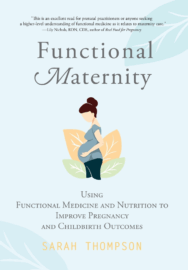 Sarah Thompson’s Functional Maternity makes a compelling case for integrating functional medicine and nutrition into maternity care. This book is a valuable resource for midwives, student midwives, doulas, and obstetricians seeking a holistic, evidence-based approach to perinatal care.
Functional medicine is a systems-based approach that focuses on identifying and addressing the root causes of disease. It considers the interconnectedness of bodily systems and how lifestyle and environmental factors influence health. In the context of maternity care, functional medicine emphasises optimising the health of the woman or birthing person to support the best possible pregnancy and birth outcomes.
A key strength of Functional Maternity is its emphasis on nutrition.
Thompson, a licensed acupuncturist, functional medicine practitioner, and doula, effectively bridges the gap between conventional maternity care and functional medicine. She highlights the interconnectedness of bodily systems and the crucial role of personalised nutrition in improving pregnancy outcomes. The book provides practical guidance that can be readily integrated into clinical practice, making it relevant to both experienced professionals and those new to functional medicine.
A key strength of Functional Maternity is its emphasis on nutrition. Thompson delves into micronutrient balance, gut health, and metabolic function, offering a critique of standard dietary recommendations and advocating for individualised nutritional support. This aligns seamlessly with midwives’ commitment to personalised care.
Each chapter includes in-depth clinical insights and actionable recommendations.
The book also thoughtfully examines common pregnancy complications such as nausea in pregnancy, anaemia, depression and anxiety, and gestational hypertension. It explains their physiological mechanisms and offers functional medicine strategies for prevention and management. The insights into hormonal regulation, inflammation, and immune function provide a broader understanding of these conditions, going beyond the conventional medical model.
What truly sets this book apart is its practical application. Each chapter includes in-depth clinical insights and actionable recommendations. For student midwives and maternity support workers, it serves as an excellent introduction to integrative care. The book also provides a helpful list of resources for those interested in further developing their knowledge of functional medicine.

One limitation is the assumption that all readers possess a foundational understanding of functional medicine concepts. Some readers may require additional background knowledge to fully grasp the discussions. However, Thompson’s engaging style and clear explanations make the content accessible to a wide audience.
Overall, Functional Maternity is a valuable addition to any maternity professional’s library. Its evidence-based, practical approach makes it a must-read for those committed to improving pregnancy and childbirth outcomes through a holistic, personalised approach.

If you enjoyed this book review, read Dr Christina Feltham’s article Supporting Optimal Maternal Nutrition published in The Practising Midwife journal July 2025.

